- Web designing is planning the layout, colours, fonts, images and navigation of a website.
- Good web design combines how a site looks (UI) with how easy it is to use (UX).
- Web design and web development are different jobs, and most businesses need both.
- In Sri Lanka, design for mobile first: most visitors browse on smartphones.
What Does Web Designing Mean?
Web designing is the work of planning the layout, colours, typography, images and navigation of a website so that visitors can find what they need quickly and enjoy using it. A web designer decides where everything goes on each page, how the website adapts to phones and tablets, and how visitors move from one page to the next.
Good web design is not only about looks. It combines visual design with user experience (UX), which focuses on making the site easy to use, and with an understanding of the business goals behind the website, such as getting more calls, enquiries or online sales.
Think of a website like a shop. The web designer is the person who plans the shop floor: where the entrance is, how the shelves are arranged, where the signs go and where the counter sits. A well-planned shop makes buying easy. A well-designed website does exactly the same online.
The Main Elements of Web Design
Every well-designed website is built from the same core elements:
- Layout: how content is arranged on the page, usually on a grid, so it looks organised and balanced.
- Colour: a colour palette that matches the brand and guides attention to important buttons.
- Typography: fonts and text sizes that are easy to read on every screen.
- Images and graphics: photos, icons and illustrations that explain and sell.
- Navigation: menus and links that help visitors find pages in one or two clicks.
- Responsiveness: a layout that adapts automatically to phones, tablets and desktops.
- Speed: optimised images and code so pages load quickly, even on mobile data.
- Content: clear headings and short, helpful text that answers what visitors want to know.
Core Principles of Good Web Design
Designers follow a few simple principles that make any website feel professional and easy to use:
| Principle | What it means | Example |
|---|---|---|
| Visual hierarchy | The most important things stand out first | A large headline and one bright "Get a Quote" button |
| Consistency | The same styles are used on every page | Buttons, fonts and colours never change randomly |
| White space | Empty space around content makes it easier to read | Short paragraphs with room between sections |
| Contrast | Text and buttons are easy to see | Dark text on a light background |
| Simplicity | Every element has a purpose | Five clear menu items instead of fifteen |
| Accessibility | Everyone can use the site | Readable font sizes and image alt text |
UI Design vs UX Design
You will often hear the terms UI and UX in web design. UI (user interface) design is about the visual side: buttons, colours, icons, fonts and how each screen looks. UX (user experience) design is about how the website works for the visitor: whether they can find information quickly, understand what to do next and complete a task such as booking or buying without frustration.
A beautiful website with poor UX still loses customers, and an easy-to-use website with poor UI looks untrustworthy. Great web design balances both.
Web Design vs Web Development
People often use the two terms together, but they are different jobs. Web design is about what users see and experience: the look, layout and flow. Web development is about building it: writing the HTML, CSS, JavaScript and server code that turn a design into a working website, with features like contact forms, online payments and admin panels.
| Web design | Web development | |
|---|---|---|
| Focus | Look, layout and user experience | Code, features and performance |
| Main tools | Figma, Adobe XD, Photoshop | HTML, CSS, JavaScript, PHP, databases |
| Output | Page designs and prototypes | A working, live website |
| Skills | Colour, typography, layout, UX | Programming, hosting, security |
Most businesses need both. That is why a full-service web design company in Sri Lanka usually offers design, development, hosting and SEO under one roof, so one team is responsible for the whole project.
Types of Web Design
- Responsive web design: one website that adjusts its layout to any screen size. This is the modern standard.
- Adaptive web design: several fixed layouts for specific screen sizes.
- Static websites: simple pages with fixed content, ideal for small business sites.
- Dynamic websites: content managed through a CMS such as WordPress, or loaded from a database.
- E-commerce design: online stores focused on products, checkout and payments. See our e-commerce website guide.
- Landing pages: single pages built for one goal, such as an advertising campaign or event.
What Does a Web Designer Do Day to Day?
A typical web design project includes these tasks:
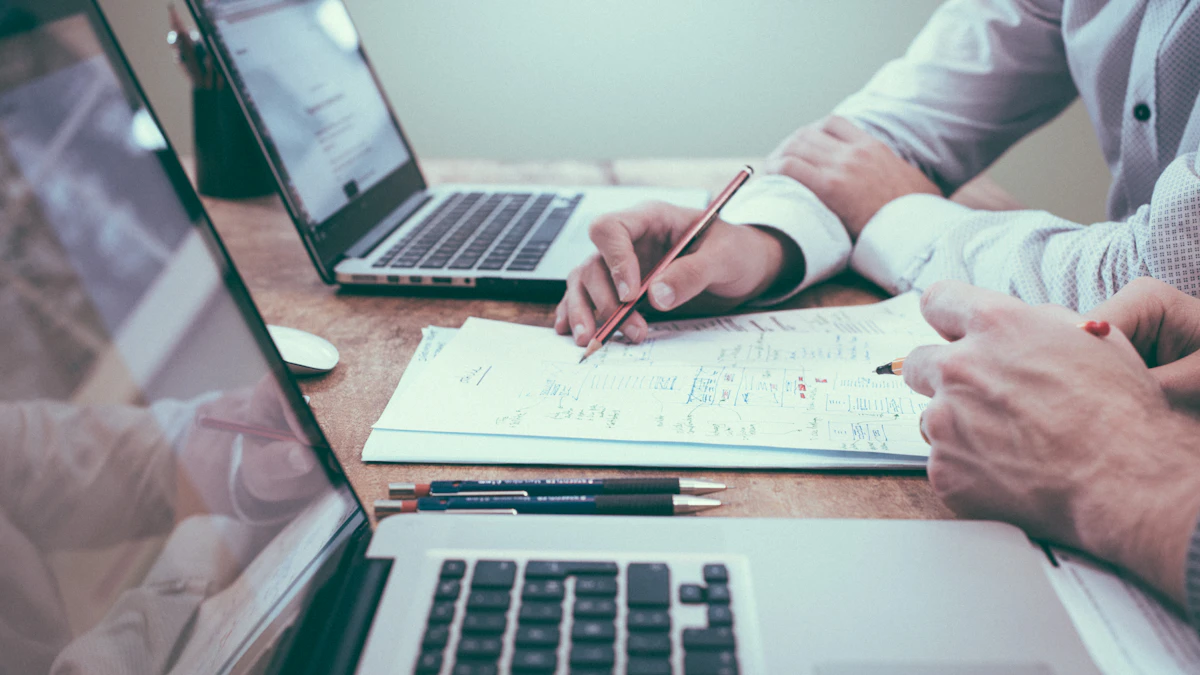
- Meeting the client to understand the business, customers and goals.
- Researching competitors and collecting design inspiration.
- Planning the sitemap and the content for each page.
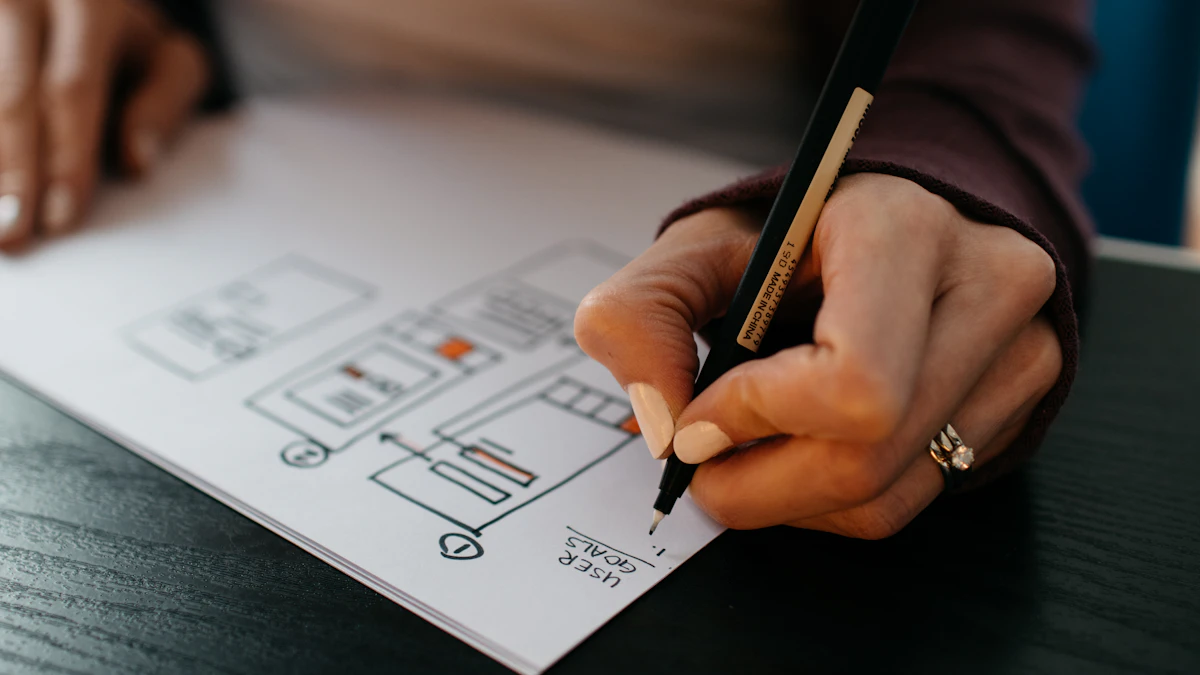
- Sketching wireframes, then creating full-colour designs for desktop and mobile.
- Presenting designs, collecting feedback and making revisions.
- Working with developers (or building the site themselves) and testing it before launch.
Tools Web Designers Use
Professional web designers usually create designs in Figma, Adobe XD or Photoshop, then build them with HTML, CSS and JavaScript or with a platform such as WordPress, WooCommerce or Shopify. Supporting tools include Google Fonts, icon libraries, image compressors and testing tools such as Google PageSpeed Insights.
If you want to try it yourself, read our step-by-step guide on how to start web designing.
Why Good Web Design Matters for Businesses
Visitors decide within seconds whether a website looks trustworthy. A slow, outdated or confusing site sends customers straight to a competitor, while a clean, fast and mobile-friendly site builds confidence and turns visitors into enquiries.
Good web design also supports SEO. Clear page structure, fast loading and mobile-friendliness all help a website appear higher in Google results, which is why web design Sri Lanka projects should always be planned with search in mind. Learn more in our SEO guide for small businesses.
Still unsure whether you need one? Read why your business needs a website.
In Sri Lanka, most people browse on smartphones. Always check how a website design looks and works on a phone before anything else.
Further Reading
Related guides from our blog:
- How to start web designing: a step-by-step roadmap for beginners
- Web design packages in Sri Lanka: what you get at each price level
- How to create a web design: eight steps from idea to finished page
- Why your business needs a website: and why a Facebook page is not enough
Signs Your Website Needs a New Design
- It looks broken or hard to read on a mobile phone.
- Pages take more than a few seconds to load.
- You get visitors but very few calls, WhatsApp messages or enquiries.
- The design, photos or prices are several years out of date.
- You cannot update the content yourself.
- It does not appear on Google for your business name or services.
If several of these sound familiar, a redesign is usually a better investment than more advertising. See our website packages to find out what a professional website costs.
Frequently Asked Questions
What is web designing in simple words?
Web designing is planning and creating how a website looks and works, including its layout, colours, fonts, images and navigation, so visitors can easily find information and take action.
Is web designing a good career in Sri Lanka?
Yes. Demand for websites, online stores and digital marketing keeps growing in Sri Lanka and overseas, and web designers can work for agencies, companies or as freelancers for local and international clients.
What is the difference between web design and web development?
Web design covers how a website looks and feels. Web development is writing the code that makes the design work as a real website, including features such as forms, payments and databases.
Does web design need coding?
Not always. Many web designers work only in design tools such as Figma. However, knowing HTML and CSS helps designers create layouts that are realistic to build and lets them build simple websites themselves.
What is responsive web design?
Responsive web design means one website automatically adjusts its layout to fit any screen, from a large desktop monitor to a small phone, so it is always easy to read and use.